Mastering Your Blog Content Calendar: Strategies for Marketing Success
Summary
A well-structured blog content calendar is crucial for marketing managers looking to enhance their content strategy. This article provides actionable steps to create an effective calendar, share real-world examples, and highlight the importance of integrating analytics and marketing automation. Readers will learn how to navigate the complexities of content planning and execution to drive better results for their organizations.
Understanding the Importance of a Blog Content Calendar
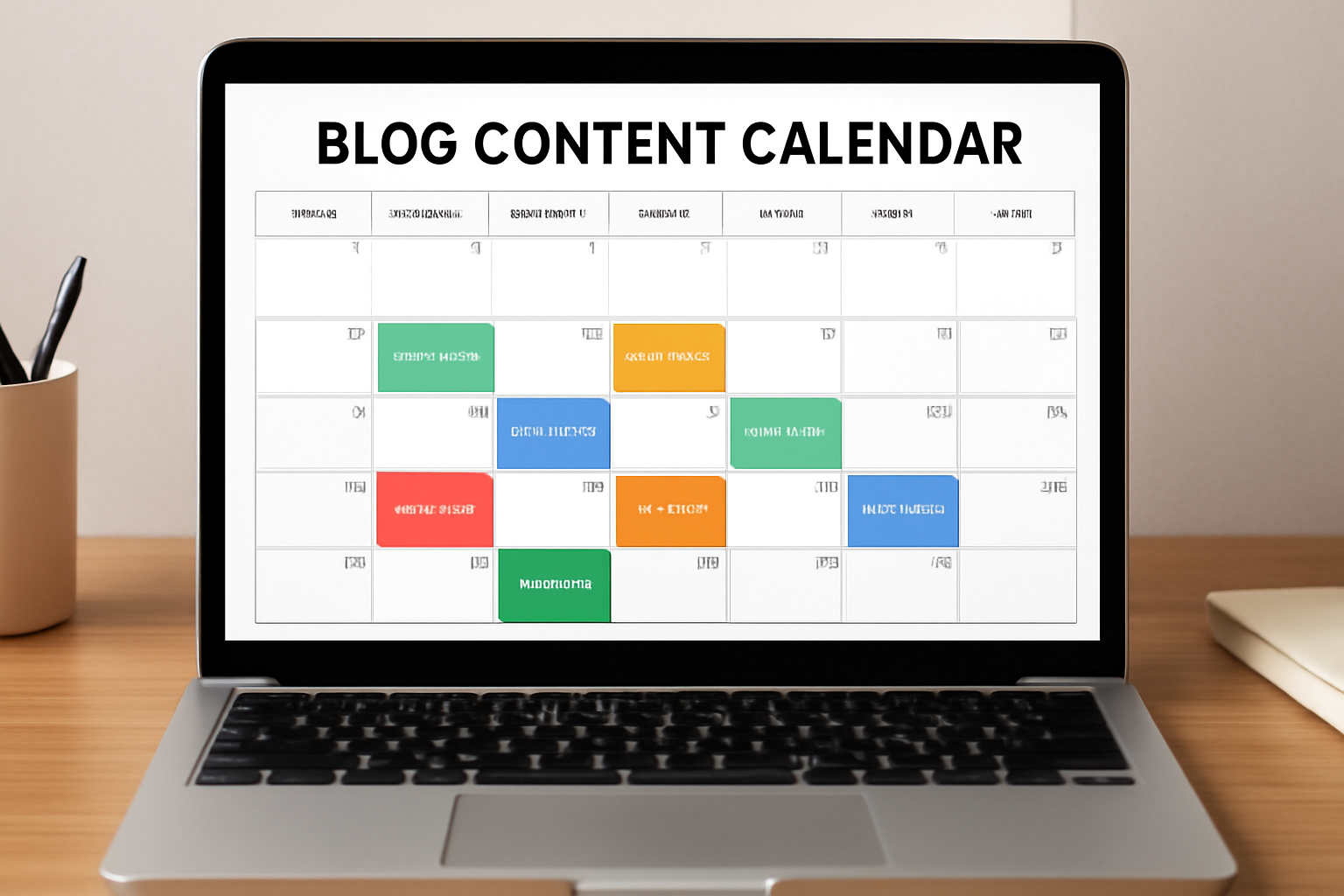
As a marketing manager, the complexity of juggling multiple campaigns and content pieces can often feel overwhelming. Incorporating a blog content calendar into your workflow can streamline these efforts significantly. A well-organized calendar not only ensures that you consistently publish engaging content but also aids in aligning your marketing strategies with broader business goals.
Take, for instance, a mid-sized SaaS company that faced challenges in maintaining a coherent blog schedule. By implementing a centralized content calendar, they were able to plan topics in advance, allocate resources effectively, and monitor their content performance. This shift not only improved their publishing frequency but also enhanced team collaboration and accountability.
Steps to Create a Content Calendar
Creating a content calendar doesn’t have to be a daunting task. Here’s a straightforward approach that can help you construct a robust blog management calendar tailored to your needs:
1. Define Your Goals
Start by identifying what you aim to achieve with your blog. Whether it’s driving traffic, generating leads, or establishing thought leadership, having clear objectives will guide your content creation process. For example, a growth manager at an e-commerce firm may prioritize content that addresses customer pain points to improve conversion rates.
2. Choose Your Tools
The right tools can significantly ease the process of managing your blog posts. Options like Google Sheets, or dedicated content calendar tools can help you visualize your schedule. For a more integrated solution, consider platforms like CRM Supreme, which allows you to manage customer data alongside your content strategy.
3. Plan Your Content Types
Decide on the types of content you want to produce. This could include in-depth articles, infographics, or video content. A healthcare marketing team might find value in creating informative articles that address common patient questions, while a tech company may focus on case studies showcasing how their software solves industry challenges.
4. Establish a Publishing Schedule
Your blog publishing schedule should reflect your capacity and audience preferences. Consistency is key, so whether you choose to publish weekly or bi-weekly, stick to that rhythm. For example, a digital marketing team may find that releasing a detailed post every Thursday aligns well with their audience's engagement patterns.
5. Monitor and Adjust
Once your calendar is in place, it’s crucial to monitor its performance. Use analytics tools to gauge how different types of content resonate with your audience. For instance, if you notice that video content receives significantly more engagement than written posts, you might adjust your strategy accordingly to produce more visual materials.
Real-World Scenario: Overcoming Content Bottlenecks
Consider a professional services firm that struggled with delayed blog posts due to miscommunication among team members. By implementing a visual content calendar, they were able to assign specific responsibilities and deadlines for each piece. This clarity reduced confusion and led to a 30% increase in their publication rate within just three months.
Utilizing Analytics for Continuous Improvement
Once you have a content calendar in place, leveraging analytics is vital for ongoing success. Tools like Google Analytics can help track metrics such as page views, bounce rates, and average time on page. By analyzing this data, you can identify which topics resonate most with your audience. For instance, if you discover that posts about lead generation strategies yield higher traffic, you can prioritize similar content in your future planning.
Integrating Your Calendar with Marketing Automation
To maximize the effectiveness of your blog content, consider integrating your content calendar with your marketing automation tools. This allows for seamless execution of campaigns across various channels. For example, if you're launching a new product, having your blog posts align with email marketing and social media promotions can create a cohesive narrative for your audience.
One of our clients, a retail brand, found that by synchronizing their blog content with email newsletters, they could drive a 50% increase in traffic to their site during product launches. This integration ensures that your audience receives consistent messaging, enhancing their overall experience.
Choosing the Right Content Calendar Tools
There are numerous content calendar tools available, each with unique features that cater to different needs. Here are a few options worth exploring:
- Google Sheets: A versatile tool for simple calendar setups, allowing for easy sharing and collaboration.
- CRM Supreme: Offers an integrated solution for managing content alongside customer data.
When selecting a tool, consider factors such as team size, the complexity of your content strategy, and your budget. A tool that works for a small marketing team may not be suitable for a larger organization that requires advanced features.
Conclusion: The Path to Effective Content Marketing
Ultimately, an effective blog content calendar is more than just a scheduling tool; it's a strategic asset that empowers marketing teams to operate efficiently and achieve their objectives. By understanding the nuances of content planning and execution, you can foster a culture of creativity and accountability within your team. Remember, the goal is not just to publish content regularly but to create valuable, engaging material that speaks to your audience's needs and interests.
Frequently Asked Questions
What is a blog content calendar?
A blog content calendar is a tool that helps marketers plan, organize, and schedule blog posts, ensuring consistent content publication aligned with business goals.
How can I create a content calendar for my blog?
Start by defining your goals, choosing the right tools, planning content types, establishing a publishing schedule, and monitoring performance for continuous improvement.
What tools are best for managing a blog content calendar?
Integrated platforms like CRM Supreme, which combine content management with customer data.
Why is consistency important in a blog publishing schedule?
Consistency helps build audience trust and engagement, making it more likely they will return for new content and follow your brand.
How can I use analytics to improve my content calendar?
By tracking metrics such as page views and engagement, you can identify successful topics and adjust your content strategy to better meet audience needs.
About the author

Jessica Harrison is a seasoned digital marketing strategist based in Austin, TX. With over a decade of experience, she specializes in delivering integrated solutions that drive growth and efficiency for marketing teams. Jessica understands the frustrations that come with disconnected systems and outdated content. She is passionate about empowering teams with centralized platforms that enhance data-driven decision-making and optimize customer experiences. Jessica's insights have helped countless organizations streamline their marketing workflows and maximize ROI through innovative technology.